
Answer-First Summary
Quick answer
The ultimate 2026 guide to choosing uPVC windows for your home in India. Compare top brands like Fenesta, Veka, and Aparna Venster, understand chamber sizes, pricing, and key quality checklists.
- Which is the best uPVC window brand in India for 2026? For premium requirements, Fenesta, Veka, Aluplast, and Deceuninck are top tier. For excellent mid-range quality and cost-effectiveness, Aparna Venster and Prominance are highly recommended.
- How much do uPVC windows cost per sq ft in Bengaluru? In 2026, uPVC window prices range from ₹350 - ₹500/sq ft for basic unbranded/local fabricators, ₹500 - ₹800/sq ft for mid-range brands (Aparna Venster, Prominance), and ₹800 - ₹1,500/sq ft for premium brands (Fenesta, Veka, Aluplast) with double glazing.
Interactive Estimation Tool 2026
uPVC Window Cost Estimator
Calculate your custom uPVC fabrication cost, glass modifications, premium laminations, installation fees, and GST dynamically based on active Bengaluru market rates.
Itemized Quotation Estimate
Technical Spec Matching
Analyzing selections...
Minimum QC Benchmarks
To ensure your uPVC window profiles last for 30+ years, verify these exact technical parameters with your builder:
- Profile Thickness: Minimum 2.2mm for residential builds; 2.5mm+ for high-wind speed areas.
- Chamber Count: Minimum 3 chambers for windows; 5 chambers for large sliding balcony doors.
- GI Reinforcement: 1.5mm thick galvanized iron steel must run through all vertical and locking profiles.
- Locking Mechanism: Multi-point locking system (Espag locks) with metal strikers instead of single locks.
Gaskets & Sealant Standards
Standardize Window Sizes
Custom-sized windows generate up to 25% waste in profile cuttings. Save significantly on joinery by:
- Adhering to modular heights like 4 feet or 5 feet at the brickwork planning stage.
- Limiting tall arched profiles which require heat-bending (+40% fabrication premium).
- Grouping window dimensions into 2-3 uniform sets across the home.
Intelligent Specification Splitting
Instead of selecting premium specifications for the entire house, split them based on zoning:
- Front/Road facing: Invest in DGU/Laminated glass for noise control.
- Inner shafts/Bathrooms: Use standard single toughened glass.
- High levels: Use standard sliding frames; save grill cost.
- Ground/Low floors: Prioritize Villa windows with integrated grills.
uPVC Windows Buying Guide 2026: The Ultimate Guide for Indian Homeowners
Windows are no longer just openings for light and air. In modern home design, they play a critical role in acoustic comfort, thermal insulation, safety, and energy efficiency.
Over the last decade, uPVC (unplasticized Polyvinyl Chloride) has overtaken traditional wood and basic aluminium as the material of choice for home builders in cities like Bengaluru. In 2026, as urban noise levels rise and energy-efficiency mandates tighten, choosing the right uPVC windows is one of the most critical decisions in your house construction journey.
This mega guide covers everything you need to know: technical specifications, top brands, pricing tables, 2026 design trends, and a checklist to avoid low-quality traps.
Pro Buyer’s Summary 2026:
- For Soundproofing: Opt for a 5-chamber profile with Double Glazed (DGU) or Laminated Glass and double EPDM gaskets.
- The Core Element: Always ask for Galvanized Iron (GI) steel reinforcement (minimum 1.5mm thickness) inside the frames.
- For Indian Homes: Choose Villa Windows if you need integrated security grills and mesh screens.
- Top Brands: Fenesta and Veka remain gold standards, while Aparna Venster and Prominance offer unbeatable mid-range value.
1. Why Choose uPVC? (Technical Comparison)
To understand why uPVC dominates the residential market, let’s compare it against traditional Teak Wood and high-end Aluminium (System & Local):
| Feature | uPVC Windows | Teak Wood | System Aluminium |
|---|---|---|---|
| Durability | High (50+ years, weather-proof) | High (if maintained) | Very High (highest structural strength) |
| Acoustic Insulation | Excellent (up to 30-40 dB reduction) | Moderate | High (if using thermal break) |
| Thermal Insulation | Very High (Low thermal conductivity) | High | Poor (unless thermally broken) |
| Maintenance | Zero (no paint, wipe clean) | High (periodic polishing/painting) | Low |
| Termite & Rust Proof | 100% | Vulnerable to termites/moisture | 100% |
| Aesthetic Options | White, Wood laminates, Charcoal | Natural luxury look | Sleek, ultra-slim, any RAL color |
| Price Point | Mid-range (Cost-effective) | Extremely High | High to Premium |
2. Anatomy of a High-Quality uPVC Profile
A uPVC window frame might look like a simple piece of plastic from the outside, but its performance is determined by its internal architecture:
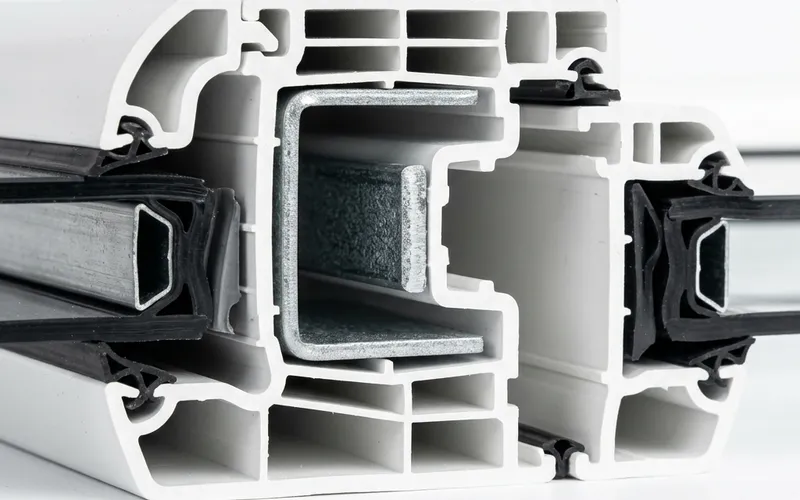
Chamber Count
uPVC profiles are hollow inside, divided into chambers. These chambers trap air, acting as thermal and sound barriers.
- 3-Chamber Profiles: Standard for small residential windows in quiet zones.
- 5-chamber and 6-Chamber Profiles: Recommended for high-rise apartments, noisy main roads, and large sliding balcony doors. They provide superior structural strength and soundproofing.
Steel Reinforcement (GI)
Because uPVC itself is flexible, all quality profiles must have a hollow chamber fitted with Galvanized Iron (GI) steel reinforcement.
- Crucial Spec: The steel must be at least 1.5mm to 2.0mm thick.
- Why it matters: Without it, the frame will sag over time under the weight of the glass, causing the locks to misalign and windows to jam.
Gaskets (Seals)
Look for EPDM (Ethylene Propylene Diene Monomer) double-lip gaskets. EPDM resists aging and extreme heat without cracking, maintaining an airtight seal that keeps out dust, monsoon rain, and city noise.
3. Selecting the Right Glass for Your Windows
A window is 80% glass, meaning your glass selection directly dictates the thermal and acoustic performance of the window unit:
- Single Toughened Glass (5mm - 6mm):
- Best for: Small bathroom ventilators, internal utility windows.
- Pros: Economical, safety-treated, highly shatter-resistant compared to normal float glass.
- Double Glazed Unit (DGU) / Insulated Glass:
- Consists of two panes of glass separated by a hermetically sealed air space filled with Argon gas.
- Best for: Bedrooms and living rooms facing roads.
- Pros: Reduces heat transfer by 50% and acts as a massive sound barrier.
- Laminated / Acoustic Glass:
- Features a polyvinyl butyral (PVB) interlayer sandwiched between two glass sheets.
- Best for: Homes on busy main roads (e.g., Outer Ring Road, Sarjapur Road).
- Pros: Blocks up to 90% of outside traffic noise (damps acoustic frequencies) and does not shatter into shards on impact (highly secure).
- Low-E (Low-Emissivity) Glass Coating:
- Features a microscopically thin, non-toxic metal oxide layer that reflects long-wave infrared heat while letting visible light pass.
- Best for: South and West-facing windows exposed to intense direct sunlight.
- Pros: Lowers indoor temperatures, reduces air conditioning costs, and blocks 99% of UV rays to prevent furniture fading.
- DGU Argon Gas & Spacer Upgrades:
- Premium fabricators fill the gap in DGU with Argon Gas instead of dry air to increase thermal performance. They also use Warm-Edge Spacers instead of basic aluminum spacers to prevent condensation on the glass perimeter.
4. Popular uPVC Window Styles in 2026
Choose the right window style based on space availability and ventilation needs:
Casement (Openable) Windows
Traditional swing-out windows. Because they press firmly against the frame when closed, they offer the best airtight seal, making them the most soundproof and rain-resistant option.
- Best for: Bedrooms, study rooms, study/home offices.
Sliding Windows
Panels slide horizontally on tracks. They save space as they do not open inward or outward.
- Best for: Balconies, narrow passageways, kitchens.
- Drawback: Slightly lower soundproofing compared to casements due to brush seals.
Tilt & Turn Windows
A premium European style. The window can tilt open from the top for secure, rain-proof ventilation, or swing open fully inward like a standard casement window.
- Best for: Modern bedrooms and child-safe rooms.
Villa Windows (The Indian Special)
Specifically designed for the Indian subcontinent, these windows feature a double frame: an outer sash with a security grill, a middle sash with a mesh screen (to keep mosquitoes out), and an inner glass sash.
- Best for: Ground floor windows, independent villas.
5. Top uPVC Brands in India (2026 Edition)
When buying uPVC windows, you can opt for System Brands (which manufacture the profiles and handle installation) or Profile Brands (which supply profiles to local fabricators).
Tier 1: Premium / International Brands
- Fenesta (India): The market leader in India. They offer turnkey service from design to installation and have their own formulation optimized for Indian UV levels.
- Warranty: 10 years on profiles, 1 year on hardware.
- Aesthetic: Excellent premium finishes, though prices are on the higher side.
- Veka (Germany): A global giant known for heavy-duty, German-engineered profiles.
- Warranty: 10-20 years on color stability.
- Highlight: Unrivaled structural strength; highly favored by architects.
- Aluplast / Deceuninck (Germany/Belgium): Renowned for ultra-slim, energy-efficient profiles and outstanding colored laminates.
Tier 2: Excellent Mid-Range Brands
- Aparna Venster (India): Based in South India, Venster uses high-quality raw materials and German technology. Very popular for apartments and villa projects in Bengaluru due to prompt service and competitive pricing.
- Prominance (India): One of the fastest-growing brands, certified by prestigious international bodies for extreme weather testing. They offer a great balance of durability, color warranties, and price.
6. Price Guide: uPVC Windows in Bengaluru (2026)
uPVC window pricing is calculated per square foot and varies based on style, brand, glass specification, and laminate colors.
Average Price per Sq Ft (White Profile, Standard Glass)
| Window Style | Basic (Local/Unbranded) | Mid-Range (Venster / Prominance) | Premium (Fenesta / Veka / Aluplast) |
|---|---|---|---|
| Fixed Window | ₹300 - ₹380 / sq ft | ₹450 - ₹550 / sq ft | ₹700 - ₹900 / sq ft |
| Sliding Window | ₹350 - ₹450 / sq ft | ₹550 - ₹700 / sq ft | ₹850 - ₹1,100 / sq ft |
| Casement Window | ₹400 - ₹500 / sq ft | ₹650 - ₹800 / sq ft | ₹950 - ₹1,300 / sq ft |
| Villa / Tilt & Turn | ₹500 - ₹650 / sq ft | ₹800 - ₹1,050 / sq ft | ₹1,200 - ₹1,700 / sq ft |
Premium Add-ons (Cost Multipliers)
- Laminated Color (Charcoal/Wood): Add 25% - 40% to the base white profile price.
- Double Glazing (DGU): Add ₹150 - ₹250 per sq ft over single-glazed options.
- Mesh Screen: Add ₹80 - ₹150 per sq ft depending on whether it’s SS mesh, fiberglass, or pleated mesh.
6.2. Hardware Selection: The Unsung Hero of uPVC Windows
The lifespan and usability of a uPVC window depend heavily on its moving components. Low-cost fabricators often use cheap zinc or plastic hardware that fails within a year. For long-term reliability, ensure these standards:
-
Espag Lock Systems (Multi-point): Multi-point locking mechanisms (which secure the window at 2 to 4 different points along the frame) should be used instead of a simple single-latch touch lock. This ensures airtight sealing, excellent acoustics, and high wind-load resistance.
-
Friction Stays: Heavy-duty stainless steel hinges (SS 304 grade) should be used for casement windows. They allow you to open the window to any angle and keep it from slamming shut in high winds.
-
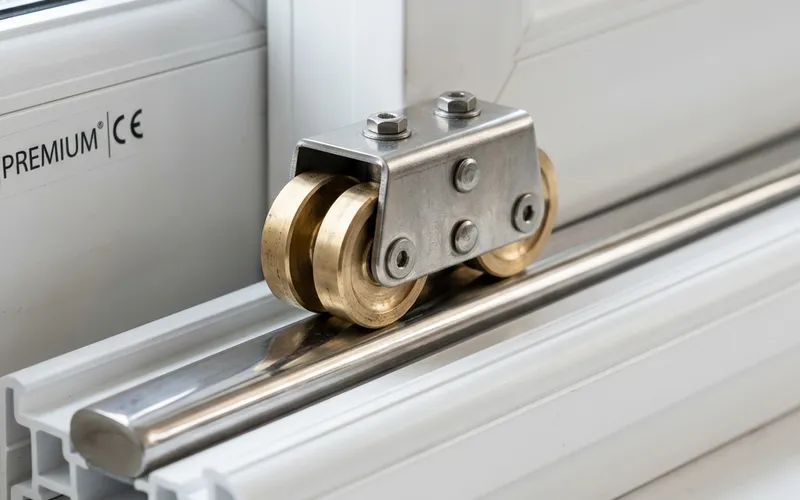
Rollers & Tracks: For sliding windows, ensure double-brass or stainless steel needle-bearing rollers are mounted on aluminum tracks. Cheap nylon rollers wear out quickly, making sliding heavy, rough, and noisy.
-
Key-Lock Handles: Recommended for ground floor windows and balcony sliding doors to prevent unauthorized entry from the outside.
6.3. Step-by-Step uPVC Installation Guidelines
Even the most premium uPVC window profiles will leak water or draft air if the installation is faulty. Ensure your contractor adheres to these precise steps:
- Masonry Aperture Preparation: The window opening must be fully finished, plastered, and cured. The gap between the brick wall and the uPVC frame should be consistent, ideally between 5mm to 8mm.
- Anchor Fastener Spacing: Fasteners must be driven into the concrete/brick at intervals of no more than 600mm. Every window side must have at least two anchors.
- PU Foam Expansion: The gap between the frame and wall must be completely filled with expanding polyurethane (PU) foam. This provides structural stability, thermal insulation, and blocks sound flanking.
- Neutral-Cure Silicone Sealing: Once the PU foam cures and is trimmed, a thick bead of high-quality, weather-proof silicone (neutral-cure, non-acidic) must be applied on both indoor and outdoor joints. Acidic silicone will react with the plaster and peel off over time.
- Leveling Check: Site engineers must verify that the frames are perfectly vertical and horizontal using a digital spirit level before the silicone sealant is applied.
6.4. Using the Interactive Cost Estimator
To make planning your home build easier, we have embedded an interactive uPVC Window Cost Estimator at the top of this page. It allows you to estimate custom configurations based on real-time Bengaluru pricing trends:
- Base Fabrication: Combines the brand quality tier and window style (Casement, Sliding, Fixed, Villa) base rate.
- Finish Premium: Classic white is the baseline. Laminated finishes (Anthracite Grey or Golden Oak Woodgrain) add a 25% to 35% premium to profile fabrication due to the complexity of the hot-melt lamination process.
- Glass Modification: Calculates flat upgrades for double glazed (DGU) or laminated acoustic glass per square foot.
- Handling & Weatherproofing: Includes a flat ₹50/sq.ft installation charge and ₹30/sq.ft for premium silicone sealing.
- Taxation: Includes standard municipal 18% GST.
7. 2026 Trends in uPVC Windows
The window industry in 2026 has transitioned from purely utilitarian to architectural design statements:
- Anthracite & Charcoal Grey Profiles: Plain white frames are giving way to sleek, dark grey and matte black laminated profiles that match modern, industrial, and minimalist elevations.
- Slim-Line Frames: Engineering advances in uPVC profiles have reduced frame widths, allowing for larger glass areas that maximize natural light and views.
- Smart Sensors: Modern uPVC frames can now be ordered with integrated magnetic sensors that connect to your home security system to alert you if a window is left open.
- Friction-Stay Window Hinges: Traditional window stays (hooks) are being replaced by internal friction hinges that allow you to open the window to any angle and have it stay in place even in high winds.
⚠️ The Low-Quality uPVC Trap: What to Avoid
Low-cost fabricators often cut corners to offer cheaper per-sq-ft rates. Watch out for these 4 traps:
- Missing Steel Reinforcement: Always request a inspection of the frames before glass is installed. Knock on the profiles; if they sound hollow and light, they lack internal steel reinforcement.
- Poor UV Stabilizers (Titanium Dioxide): Cheap profiles turn yellow, brittle, and crack within 2 years of exposure to the harsh Indian sun due to low Titanium Dioxide content. Ensure the profiles are certified for UV radiation resistance.
- Substandard Hardware: Fabricators may use generic hinges and locks that rust and fail. Demand branded hardware, such as Securistyle or G-U (Gretsch-Unitas).
- Bad Installation Seals: Water leakage during monsoons is almost always caused by cheap silicone sealant or poorly aligned tracks. Insist on professional installation crews.
8. Quality Checklist for Site Delivery
When your uPVC window units arrive at your construction site, perform these checks:
-
Stamp Verification: Check the protective tape on the frames. It should bear the logo and name of the brand you paid for.
-
Thickness Check: The wall thickness of the outer uPVC profile should be at least 2.2mm to 2.8mm (Class B or Class A profiles).
-
Drainage Slots: Ensure the outer frame has neatly routed weep holes (drainage slots) to let out rainwater that collects in the tracks.
-
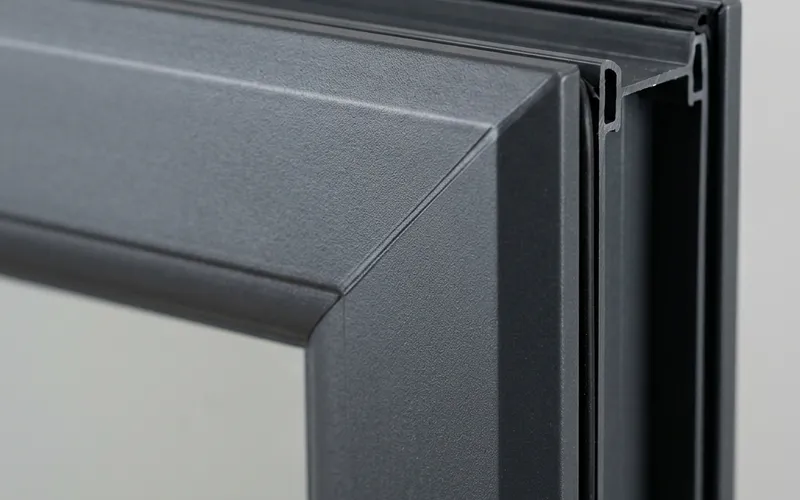
Welded Joints: Check the corners where sashes are welded. The joints should be smooth, clean, and show no signs of separation.
Building a Premium Home? Let Liza Homes Handle It
At Liza Homes, we believe a home is only as good as its materials. In our construction packages, we ensure absolute transparency:
- Preferred Channel Partner: Liza Homes is a preferred channel partner for Fenesta and Aparna Venster, granting you direct factory access, priority fabrication, and dedicated project-level discounts.
- Pre-installation Audits: Our site engineers inspect the steel reinforcement, profile thickness, and gaskets before any window is installed.
- Monsoon-Ready Sealing: We use premium weather-proof silicone sealants to guarantee zero water seepage during Bengaluru monsoons.
💡 Exclusive Partner Discount: Building an independent house or villa in Bengaluru? Route your uPVC window order through Liza Homes to unlock exclusive channel partner discounts on Fenesta and Aparna Venster windows.
💬 Get a Quick Quote via WhatsApp: Click the floating WhatsApp icon on your screen to chat with us. Please share the following details for an instant estimate:
- Your window dimensions / schedule or floor plan.
- Your preferred brand (Fenesta or Aparna Venster).
- Your project location (City/Area).
Whether you are planning a modern apartment or a luxury villa, we can help you budget the right window specifications.
Get a Free Material & Cost Estimate for your Home →
Sources & References
- European Standard EN 12608: Profiles for the fabrication of windows and doors - specifications.
- Indian Standard IS 14856: Specifications for unplasticized PVC (uPVC) window and door profiles.
- AAMA (American Architectural Manufacturers Association): Guidelines for uPVC window performance.
Recommended for You